PCB fabrication
- Gerber or ODB++ fabrication data and the board outline
- Layer stackup, material identity, finished copper and board thickness
- Drill data, impedance targets, surface finish and inspection requirements
Select the surface finish for the exposed copper areas and the process they must support. Specify solderable pads, contact areas and any bond surfaces separately, then agree the finish stack, thickness requirements and acceptance method.
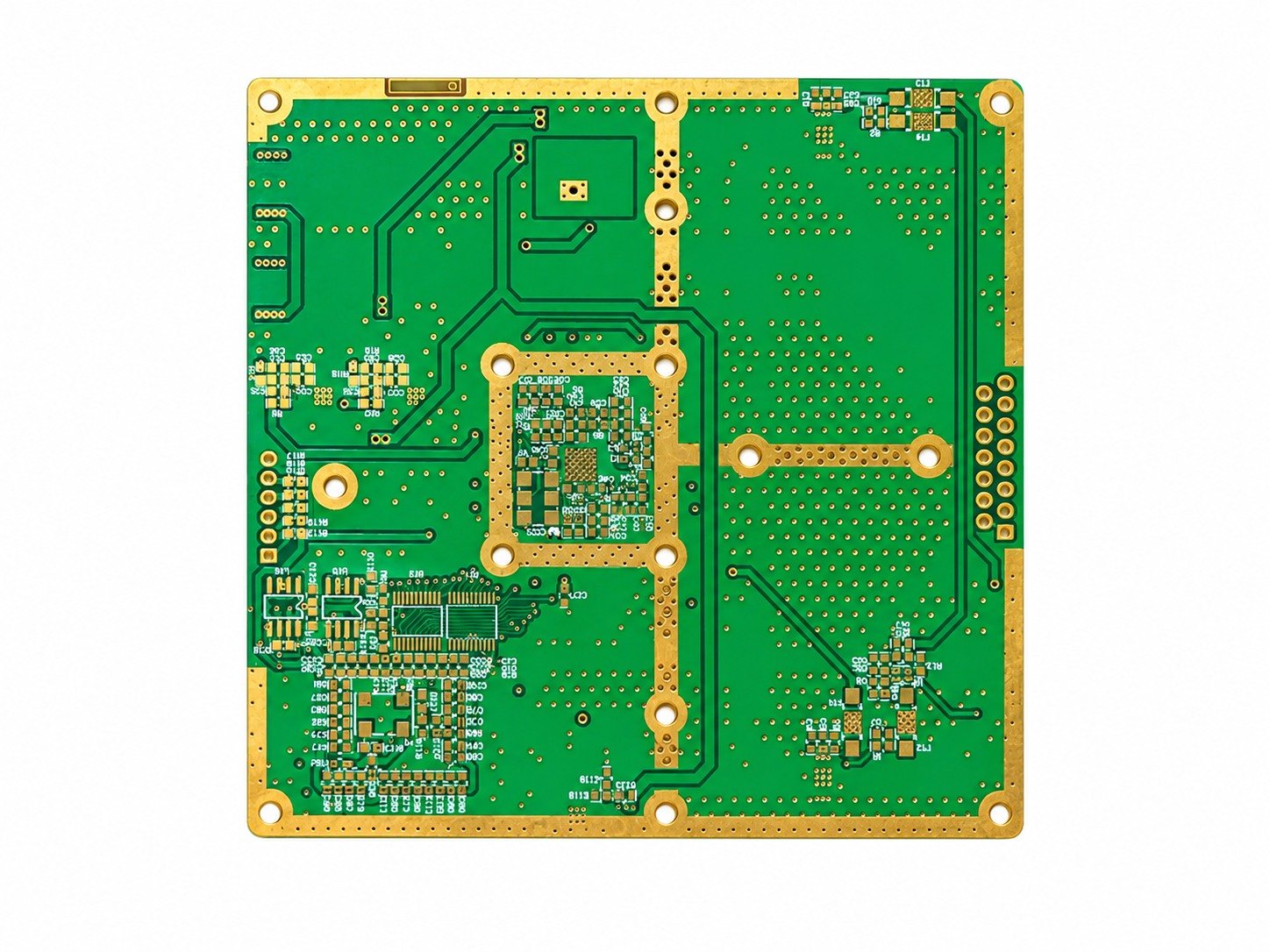
Read each value together with its board type and review conditions.
Published limits apply to their stated board type. Layer count, copper weight and minimum geometry require a combined engineering review.
All seven routes are listed in the published PCB finish entries. The sheet does not publish finish-layer thicknesses or one shelf-life value.
On smaller screens, scroll within the table to see every column.
| Parameter | Published capability | Applies to | Review conditions |
|---|---|---|---|
| Lead-free HASL | HASL LF listed | Rigid, flex and rigid-flex finish entries | Pad geometry, assembly process, thermal exposure and finished-surface requirements |
| ENIG | Listed | Rigid, flex and rigid-flex finish entries | Nickel/gold requirements, soldering process and acceptance |
| Hard gold plating | Listed; gold finger also listed | Selected contact areas | Contact location, mating duty, underplate, thickness and edge geometry |
| ENEPIG | Listed | Rigid, flex and rigid-flex finish entries | Soldering/bonding process, nickel/palladium/gold requirements and acceptance |
| OSP | Listed | Rigid, flex and rigid-flex finish entries | Handling, storage, assembly sequence and exposed areas |
| Immersion tin | Listed | Rigid, flex and rigid-flex finish entries | Assembly/press-fit requirements, storage and acceptance |
| Immersion silver | Listed | Rigid, flex and rigid-flex finish entries | Assembly process, handling, packaging and acceptance |
Copper plating and the final protective finish are different requirements.
State finished circuit copper and hole plating requirements in the fabrication specification. State the final finish for exposed pads or contact areas as a separate layer system.
Use an area map where more than one finish or a special contact treatment is required. The capability list also includes electroplated gold, soft gold, gold fingers, carbon ink and peelable mask; identify the exact intended process rather than treating these as synonyms.
The published finish list specifically names HASL LF.
For a lead-free hot air solder leveling request, identify the allowed assembly process and the exposed pad geometry. Call out any surface-level or planarity requirement that matters to component attachment.
Specify the applicable material/process and acceptance requirements in the order. Agree the finish with the selected laminate, board construction and assembly sequence; no finish thickness is inferred from the name.
Specify electroless nickel / immersion gold as a defined finish system.
Identify the solderable areas and the nickel/gold thickness or acceptance specification required by the design. Include fine-pitch or hidden-joint packages in the assembly review.
If a pad also has a contact or bonding function, state that function explicitly. Do not assume that specifying ENIG alone qualifies every attachment or mating process.
Dimension contact surfaces as mechanical and electrical interfaces.
Mark the contact area, plated boundaries, required layer system and thickness, edge geometry and any bevel. Supply the mating requirement and expected contact duty that drive the finish choice.
The local 2L keyboard example records hard gold, carbon ink and FR4. Those features belong to the example; they do not establish a general wear-life rating or gold thickness.
Specify electroless nickel / electroless palladium / immersion gold and the intended attachment process.
Provide the nickel, palladium and gold requirements or the governing finish specification. Identify whether the surface will be soldered, bonded or used for another defined attachment process.
For bonding requirements, include the wire/material, attachment method and qualification or acceptance criteria requested for the project. Listing ENEPIG does not by itself approve a particular bond process.
Coordinate the organic solderability preservative with handling and assembly.
Define the exposed copper areas, storage/handling requirements and assembly sequence, including any repeated thermal processing. State the governing finish and solderability acceptance requirements.
Discuss component attachment and any mechanical contact areas separately. A finish name alone does not define shelf life, storage conditions or the allowed number of assembly cycles.
Match the finish requirement to assembly and any connector interface.
Identify solderable pads and any press-fit or contact areas that need a separate compatibility review. Supply the required finish specification and thickness criteria rather than assuming them from the process name.
Agree handling, packaging, storage and solderability acceptance with the order. If the application imposes an additional material or reliability requirement, include its test condition and pass criteria.
Include handling and packaging in the finish discussion.
Identify exposed solderable areas and the assembly sequence. State the governing finish specification, thickness and acceptance requirements that the released board must meet.
Define packaging, storage and contamination-control needs for the intended handling route. Application-level electrical performance requires its own criteria and cannot be inferred from the finish name.
Provide the full surface requirement in one controlled drawing.
Include the drawing revision and acceptance requirements. The engineering review confirms the manufacturable combination before quotation.
No. Identify the exact contact area, finish system, thickness and mating requirement. The capability list names ENIG, hard gold and gold fingers separately.
Yes. The published finish entry specifically lists HASL LF. Confirm the complete board and assembly requirements during review.
Engineering can review the named route, but any mandatory layer thickness, governing specification and acceptance method must be stated in the drawing or order.
No universal shelf life or bond qualification is published in the published table. Provide the required handling, storage and attachment criteria for project confirmation.