Low Volume PCB Assembly
Arrange small-batch PCB assembly for pilot units, specialist products and repeat releases. Define your quantity, variants and supply plan so the build can support this order and the next one.
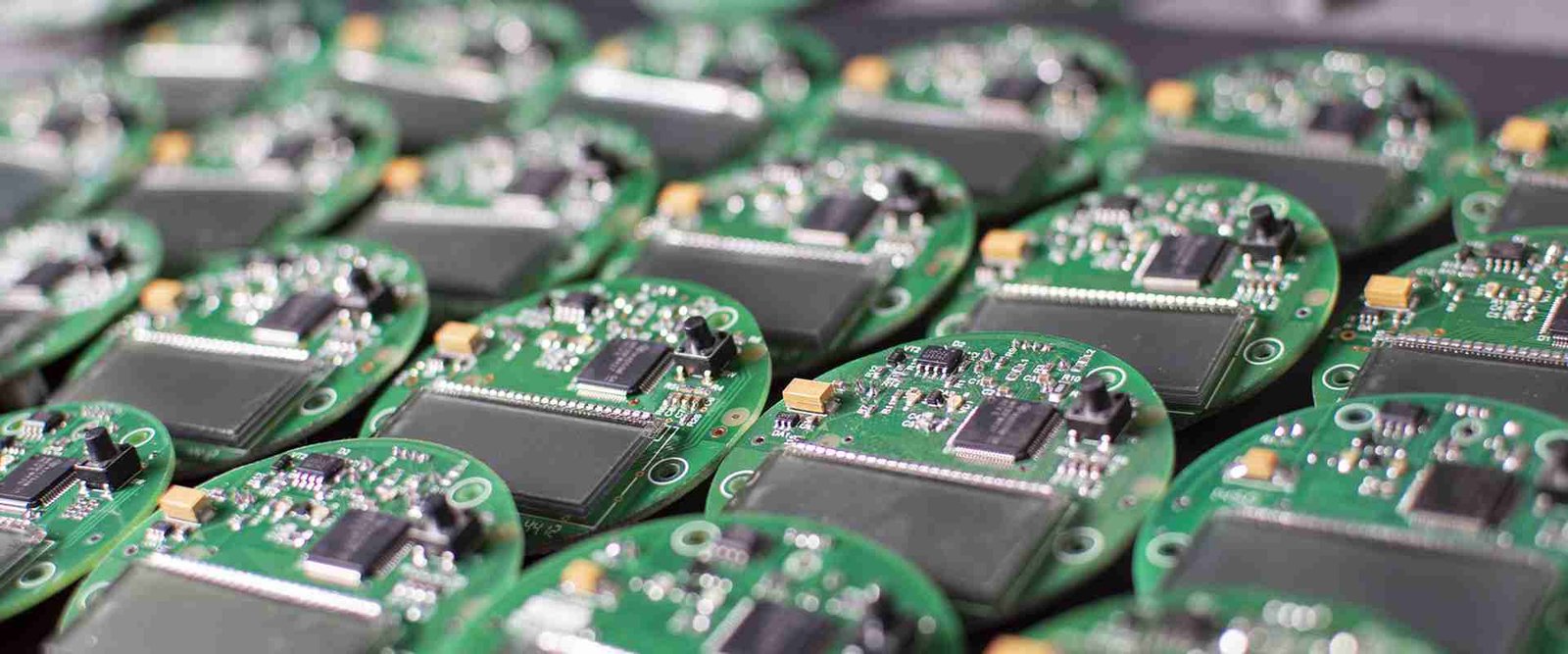
Small-batch assembly for a controlled product release
Low-volume PCB assembly suits products that need more than a few development samples without committing to a large production order. Pilot units, specialist equipment and recurring small releases all benefit from a clear configuration and material plan.
GlobalWellPCB reviews the assembly quantity and repeat-order requirements together. Keep board, BOM and firmware revisions aligned, and explain how variants or future releases will be managed.
Plan quantity around current demand and product readiness.
Tie each board to its BOM and firmware.
Discuss stencils and fixtures against the current revision.
Define ownership of remaining parts and the next order baseline.
Choose the work your order needs
Pilot batches
Evaluate the intended product configuration and manufacturing route before a wider release. Define first-article checks and how findings are returned to the build package.
Repeat small-batch production
Order the approved configuration for a scheduled release. Identify changes from the last build and agree which tooling or fixtures can be reused.
Multiple population variants
Build related boards with different fitted components or firmware. Provide a separate approved BOM and clear labelling for each configuration.
How the project moves forward
- 01
Define quantity and configurations
Send files, BOMs and the requested quantity for each variant.
- 02
Review setup and materials
Discuss repeat tooling, sourcing and the ownership of customer-held inventory.
- 03
Approve a release baseline
Resolve sample findings and confirm inspection, tests and labels.
- 04
Build the batch and plan the next
Release the agreed units and keep approved changes with the next-order files.
What to send for a useful quotation
| File or requirement | Details to include |
|---|---|
| PCB fabrication files | Gerber and drill data, board construction and any panel requirements. |
| Component BOM | Exact manufacturer and MPN, quantity, fitted references and approved alternatives. |
| Placement file | CPL / pick-and-place data identifying X/Y, side, rotation and reference designator. |
| Assembly drawing | Polarity, DNP positions, mechanical details and special component instructions. |
| Variant and revision matrix | List quantity, BOM, firmware and identifying mark for each configuration. |
| Repeat-order material plan | Describe existing stencils, fixtures, consigned stock and anticipated follow-on quantities. |
Include the quantity, current revision and required delivery date. If a decision is still open, identify it in your message so the review can address it.
Know what will be checked and returned
| Review area | What it covers | What to specify |
|---|---|---|
| Variant accuracy | Match populated positions and firmware to the individual configuration. | Define board or batch identification. |
| Repeatable acceptance | Use a controlled inspection and test baseline across releases. | Specify required lot or unit records. |
| Approved changes | Review component or process changes against the new revision. | Keep exceptions and approvals with the order. |
State any unit or batch identification, packaging and inspection or test records you need with delivery. The quotation confirms the operations and evidence included.
What shapes your quotation
A useful quotation describes the complete deliverable and its supply responsibilities. Include these items in the review so you can compare like-for-like scope.
- Batch and variant quantities, component mix and populated sides.
- Reusable or new stencils, fixtures and setup for the current revision.
- Material purchasing, retained inventory, test effort and delivery records.
The delivery plan follows file readiness, approved materials and the requested operations. Share your target date and any items already available to help review the schedule.
Frequently asked questions
How is low volume different from prototype assembly?
A prototype focuses on a development question. A small-batch order normally delivers a controlled product configuration, with repeatable inspection, tests and identification.
Can I reorder the same design?
Yes. Include the previously approved revision and identify any changes. Component supply, tooling condition and test requirements are reviewed for the new release.
Can different BOM variants share one PCB?
Provide a variant matrix and the quantity for each approved BOM. Labels and test instructions should distinguish the configurations.
What happens to unused components?
Agree ownership, quantity reconciliation and the handling of remaining material in the quotation. Include any plan to use that inventory for later batches.
Related services for your build
Discuss your Low Volume PCB Assembly requirements
Send the files, quantity and deliverable you need. Add your supply responsibilities, target date and any test or documentation requirements so the review covers the complete order.