AOI Inspection
Inspect visible component and solder features against a controlled program. Define the assembly stage, viewing access, defect review and evidence that your build requires.
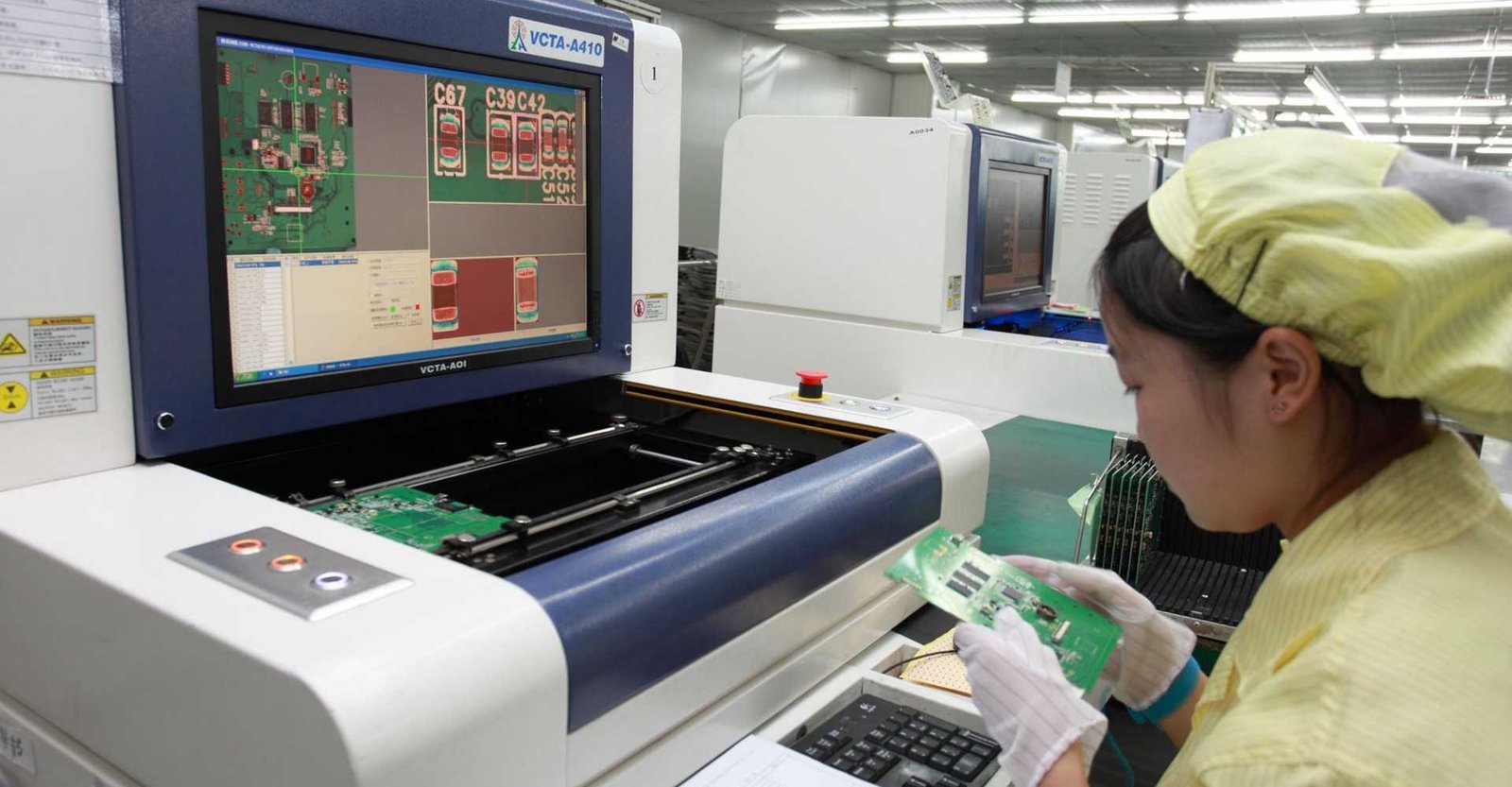
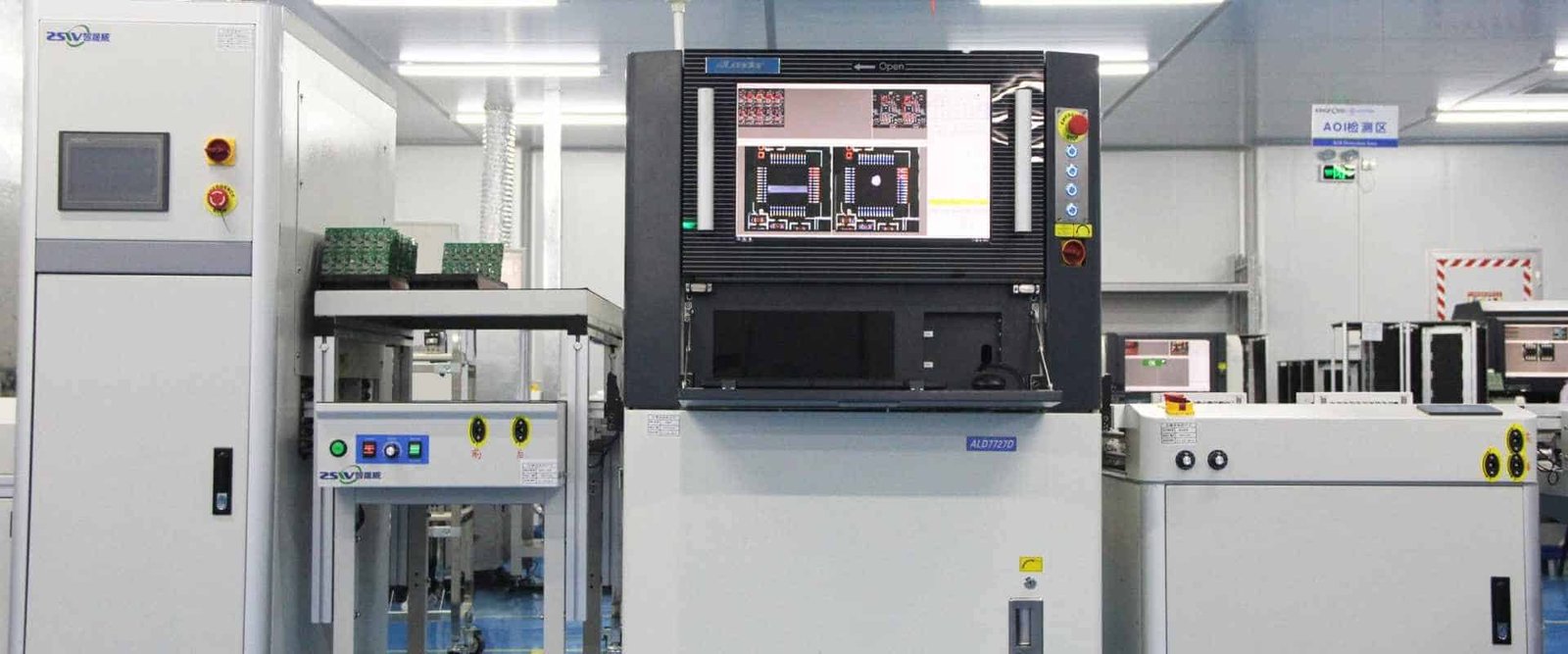
Automated images need a defined inspection purpose.
Automated optical inspection uses programmed imaging to evaluate visible features. In assembly applications, these can include component presence, position, readable markings and accessible solder features. Three-dimensional systems add height-related measurements where the optics can resolve the feature. [S21]
For your GlobalWellPCB project, specify whether the request concerns a bare-board copper pattern or a populated assembly. They require different inspection references and programs. This page primarily addresses PCBA inspection before or after reflow, as agreed for the build.
Define the visible features and the blind spots.
Detection depends on package geometry, surface appearance, viewing angle and the validated program. This table describes inspection topics, not guaranteed detection of every listed defect.
Scroll the table horizontally to see all columns.
| Review area | What to evaluate | What to agree |
|---|---|---|
| Presence and position | Missing, displaced or incorrectly oriented components where image contrast and references allow. [S21] | Link each inspected location to the released placement and assembly data. |
| Polarity and markings | Visible pin-1/polarity indicators or readable top-side markings. | Confirm the mark is optically distinguishable; do not infer hidden electrical identity. |
| Visible solder features | Accessible bridges, fillets and lead/joint geometry. [S21] | Define the applicable acceptance criteria and package-specific views. |
| Height-related features | Lift, tilt or coplanarity-related observations on suitable 3D equipment. [S24] | Validate the measurement and access for the actual component family. |
| Shadowed regions | Features partly blocked by tall parts or package geometry. [S22] | Identify additional views, manual review or another method where needed. |
| Machine-call disposition | Review of flagged images against the agreed criteria. | Track false calls, confirmed defects, authorized corrections and reinspection. |
Tell us which features need inspection, your sampling requirements and the reports you need. We will confirm these details in your quotation.
From a clear requirement to a documented decision.
- 01
Define the inspection object
Identify assembly stage, board side, revision and required defect categories. Keep bare-board pattern inspection separate from assembly inspection.
- 02
Validate the program
Check placement references, library entries, views and limits against the actual build. Document exclusions and approval of the inspection baseline.
- 03
Review and contain findings
Route flagged locations for the agreed review. Separate confirmed defects from imaging/program issues, and contain affected material when required.
- 04
Reinspect and maintain control
Record authorized corrections and their inspection outcome. Review the program after component, layout or process changes that affect visibility.
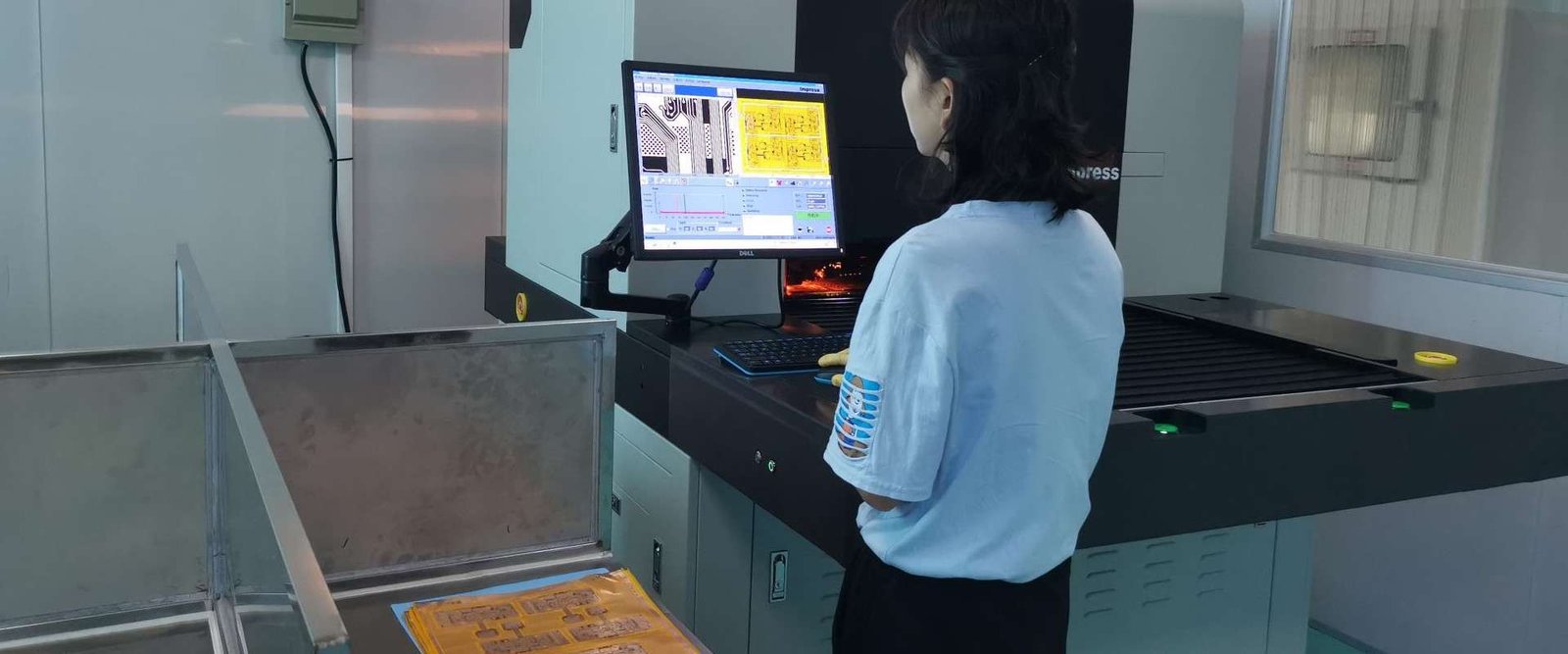
A useful AOI record preserves the reviewed finding.
Choose the level of image retention and traceability needed for the order. Raw machine calls and confirmed product defects should not be reported as the same quantity.
- Inspection baseline
- Part/revision, assembly stage, board side and inspection-program/library version.
- Located finding
- Reference designator, feature or coordinate, image and the evaluated criterion.
- Review decision
- Confirmed defect, acceptable condition or unresolved call, with an authorized action.
- Final status
- Correction/reinspection result, lot or serial linkage and any remaining coverage exclusion.
AOI cannot see through a package.
A visible BGA body does not mean its internal solder joints have been inspected. Hidden-joint questions may require X-ray, while component/interconnect electrical questions need an appropriate electrical method. AOI is not a substitute for a powered functional test. [S22] [S25] [S27] [S30]
AOI Inspection FAQs
Find answers about inspection methods, reports and approvals before placing your order.
Is bare-board AOI the same as assembly AOI?
No. One examines board-pattern features; the other examines populated-board features using assembly-specific references. State the inspection object so the correct method and program can be selected.
Does 3D AOI inspect hidden BGA joints?
Not merely because it measures height. Optical systems still need a usable view of the inspected feature. Request a suitable hidden-joint method when that evidence is required. [S22] [S25]
Can AOI prove that a resistor has the correct value?
Only distinguishable visible markings may support identification. Do not treat appearance alone as a measurement of electrical value; use an agreed electrical check where necessary. [S27]
Does a machine call always mean a defective board?
No. A call must be reviewed under the approved criteria. Record confirmed defects separately from false calls and investigate program or imaging issues.
Should the program be reviewed after a component substitution?
Yes, assess changes to body geometry, markings, polarity indicators and solder features. Maintain the program and approved component configuration together.
Does AOI replace manual review?
Not automatically. Define how ambiguous images, unusual features and inaccessible locations will be reviewed. Automated coverage and the escalation route should be explicit in the quality plan.
Connect the next part of your quality plan.
Technical references
- [S21]Koh Young — Zenith S 3D AOI
- [S22]Koh Young — Zenith 2 AOI
- [S24]Nordson — SQ7000+ Multi Function AOI, SPI & CMM (PDF)
- [S25]Nordson — Automated X-ray Inspection Product Portfolio (PDF)
- [S27]Teradyne — TestStation Systems: In-Circuit & Functional Production Test Platform (PDF)
- [S30]NI — PCB Assembly Test Toolkit
Explore the inspection and testing references below. Include the applicable standards, acceptance criteria and required records with your enquiry so we can confirm the inspection plan for your board.